How to Create an Edible Balcony Garden
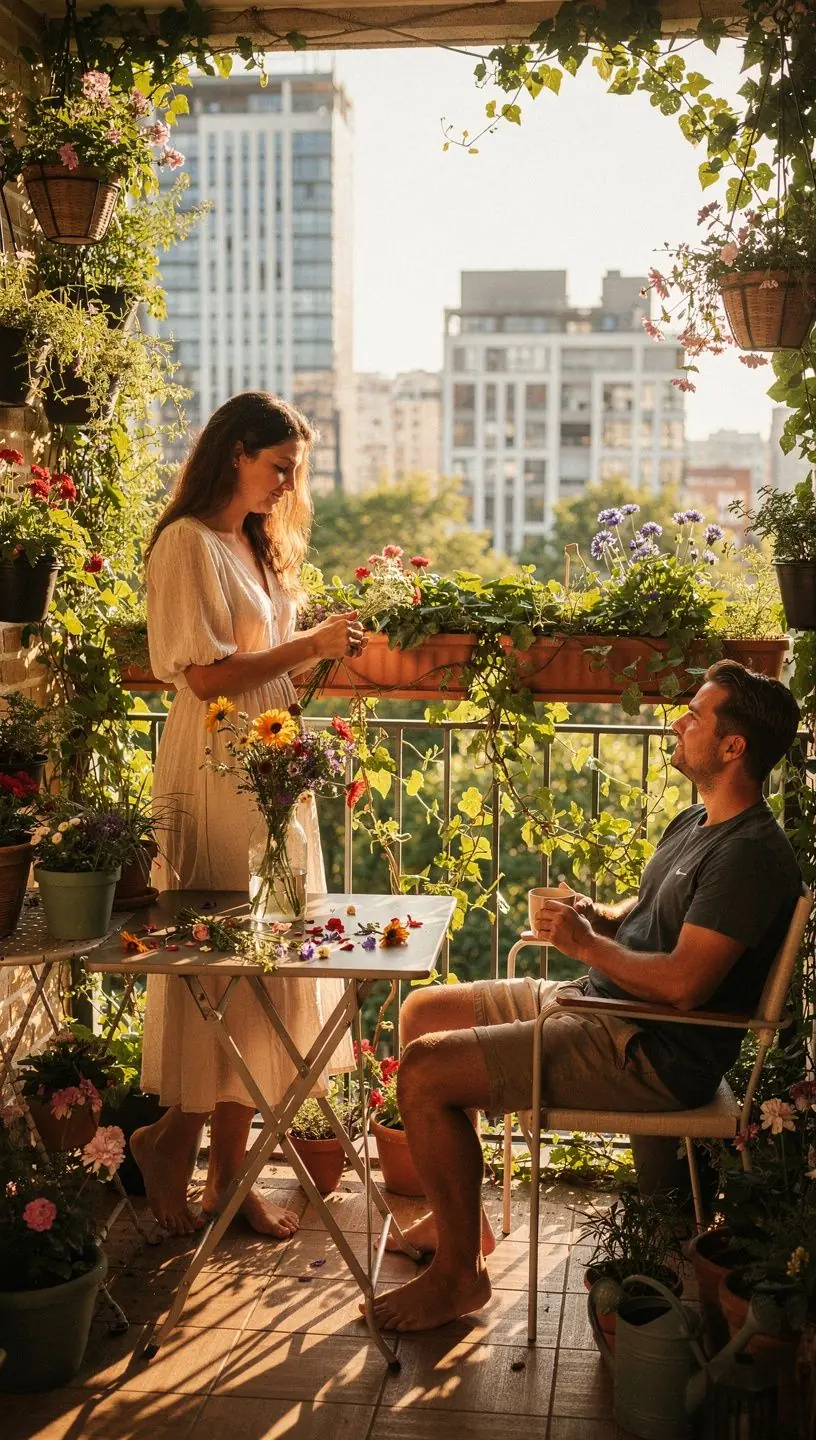
Creating an edible balcony garden can be a rewarding endeavor that not only beautifies your space but also provides fresh produce. In this article, we’ll explore practical steps and considerations to help you successfully grow your own food in limited spaces.
Understanding the Basics
Urban gardening has gained popularity, particularly in cities across the US where space is limited. According to research from the American Community Gardening Association, community gardening and urban agriculture can enhance food security and improve mental health. An edible balcony garden offers a practical solution that combines these benefits while allowing for personal expression and sustainability.
Choosing the Right Location
Before you start planting, it’s essential to evaluate the sunlight exposure on your balcony. Most edible plants require at least 6 hours of sunlight daily. Here are some considerations:
- Assess Sunlight: Observe how sunlight moves across your balcony throughout the day. This helps in selecting the right spot for your plants.
- Wind Protection: If your balcony is exposed to strong winds, consider using barriers like mesh or trellises to protect your plants.
- Accessibility: Ensure that your garden is easily accessible for watering and harvesting, as this encourages regular maintenance.
Selecting Plants for Your Edible Garden
Experts recommend starting with plants that are easy to grow and adapt well to container gardening. Here are some suitable options:
- Herbs: Basil, parsley, and mint are excellent choices that typically thrive in pots.
- Leafy Greens: Lettuce and spinach can be grown in smaller containers and harvested over time.
- Vegetables: Tomatoes and peppers are popular options that can produce abundant yields.
When selecting plants, consider your climate zone. The USDA Plant Hardiness Zone Map is a helpful resource to determine suitable plants for your area.
Soil and Containers
Using the right soil and containers is vital for the success of your balcony garden. A good quality potting mix that is designed for container gardening is recommended, as it provides the necessary drainage and nutrients. Additionally, choose containers that:
- Have adequate drainage holes to prevent waterlogging
- Are made from materials that retain moisture but allow for airflow, like clay or breathable plastic
- Vary in size depending on the plants being grown; larger plants generally need bigger pots
Watering and Maintenance
Regular watering is crucial, especially during hot summer months. Research indicates that container plants may need to be watered daily since they can dry out faster than garden beds. Here are some best practices:
- Check Soil Moisture: Before watering, press your finger into the soil; if it feels dry, it's time to water.
- Use a Drip Irrigation System: For convenience, a drip irrigation system can help deliver consistent moisture and reduce water waste.
- Fertilizing: Use a balanced, water-soluble fertilizer to provide nutrients, typically every 4-6 weeks during the growing season.
“Gardening experts suggest that maintaining consistent care is key to a flourishing balcony garden.”
Conclusion
Creating an edible balcony garden is an achievable goal that allows you to enjoy fresh produce right at home. While it requires careful planning, regular maintenance, and a commitment to learning, many users report the satisfaction of growing their own food. Remember to start small, choose suitable plants, and enjoy the process. Results may vary, but with patience and dedication, your balcony garden can flourish.
Explore Further