Urban Gardening: Benefits of Container Planting
Container planting has emerged as a popular method for urban gardening, offering numerous benefits for both novice and experienced gardeners. This article explores the advantages of adopting container planting techniques in urban settings, providing insights into how and why this approach is effective.
Understanding the Basics of Container Planting
Container planting involves growing plants in pots, boxes, or other types of containers. According to research conducted by the American Society for Horticultural Science, this method can be particularly beneficial for urban dwellers who often face space limitations. Container gardening allows individuals to cultivate a wide variety of plants, from vegetables to flowers, regardless of their living situation.
"Container gardening can increase a person's access to fresh produce, especially in urban areas where green space is limited."
Key Benefits of Container Gardening
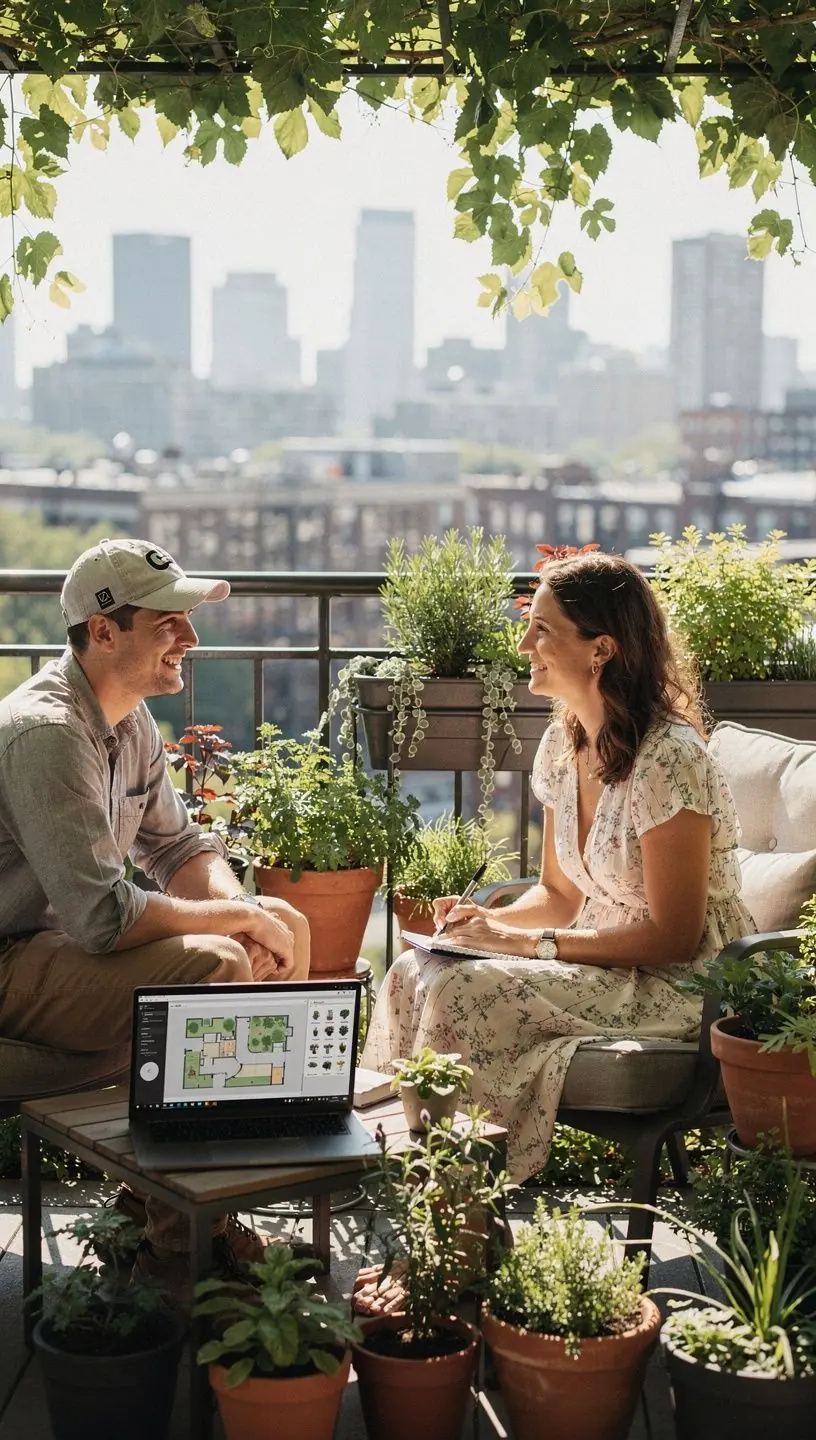
- Space Efficiency: Many urban residents typically have limited outdoor space. Container gardening allows for effective use of balconies, patios, and small yards, enabling individuals to grow plants in a compact area.
- Soil Control: Growing plants in containers allows for better control over soil quality and drainage. This works because gardeners can choose the type of soil that best suits their plants, often leading to healthier growth.
- Mobility: Containers can be moved easily, which is particularly advantageous in urban environments. This mobility allows for optimal sunlight exposure and protection from harsh weather conditions.
Practical Tips for Successful Container Planting
To maximize the benefits of container gardening, consider the following practical tips:
- Choose the Right Container: Containers come in various sizes and materials. Research indicates that larger containers are often preferable because they retain moisture better and allow for healthier root growth.
- Select Appropriate Plants: Not all plants thrive in containers. Experts recommend choosing species that are suitable for container growth, such as herbs, lettuce, and small fruiting plants, which often flourish in these settings.
- Watering Needs: Container plants typically require more frequent watering compared to those planted in the ground. This is due to the limited soil volume that dries out faster. Keep a close watch on soil moisture, especially during hot weather.
Acknowledging Limitations
While container gardening offers numerous benefits, it's important to acknowledge its limitations. For instance, this method requires a commitment of time and resources to ensure proper care, including regular watering and fertilizing. Additionally, some gardeners may find that certain plants require more space than containers can provide, making it less ideal for larger crops.
Conclusion
In summary, container planting presents a reliable solution for urban gardening, enabling individuals to cultivate plants in limited spaces. With the right approach, container gardening can lead to successful outcomes in growing vegetables and ornamental plants. By understanding the principles behind this gardening method and following best practices, urban dwellers can enhance their living environments while enjoying the benefits of homegrown produce.
Explore Further