Practical Guide to Hydroponic Systems for Balconies
Hydroponic gardening has gained popularity as a method to grow plants without soil, making it an appealing option for urban dwellers with limited space. This guide provides insights into hydroponic systems suitable for balcony gardening, helping you create a thriving green space right outside your home.
Understanding Hydroponics
Hydroponics is the practice of growing plants in nutrient-rich water instead of traditional soil. According to research conducted by the University of Arizona, hydroponic systems can yield faster growth rates and higher productivity, often resulting in 20-30% more produce compared to conventional gardening methods. This effective approach is useful for balcony gardens, where space is at a premium.
"Hydroponics can save water and space, and it allows for year-round food production in urban environments." - Urban Agriculture Research Group
Types of Hydroponic Systems for Balconies
There are several hydroponic systems that can be effectively utilized on balconies. Each system has its own unique advantages and may suit different types of plants or gardening preferences:
- Nutrient Film Technique (NFT): This system uses a thin film of nutrient solution that flows over the roots. It is typically low maintenance and allows for excellent oxygenation of the roots.
- Deep Water Culture (DWC): In DWC, plant roots are suspended in a nutrient solution with an air pump supplying oxygen. This method is well-suited for leafy greens.
- Vertical Hydroponics: By using vertical racks, this system maximizes space and allows for growing multiple plants in a smaller footprint. Many users report good results with herbs and small vegetables.
Setting Up Your Hydroponic System
Establishing a hydroponic garden on your balcony involves several steps:
- Choose Your System: Research various types of hydroponic systems and select one that aligns with your space, budget, and plant preferences.
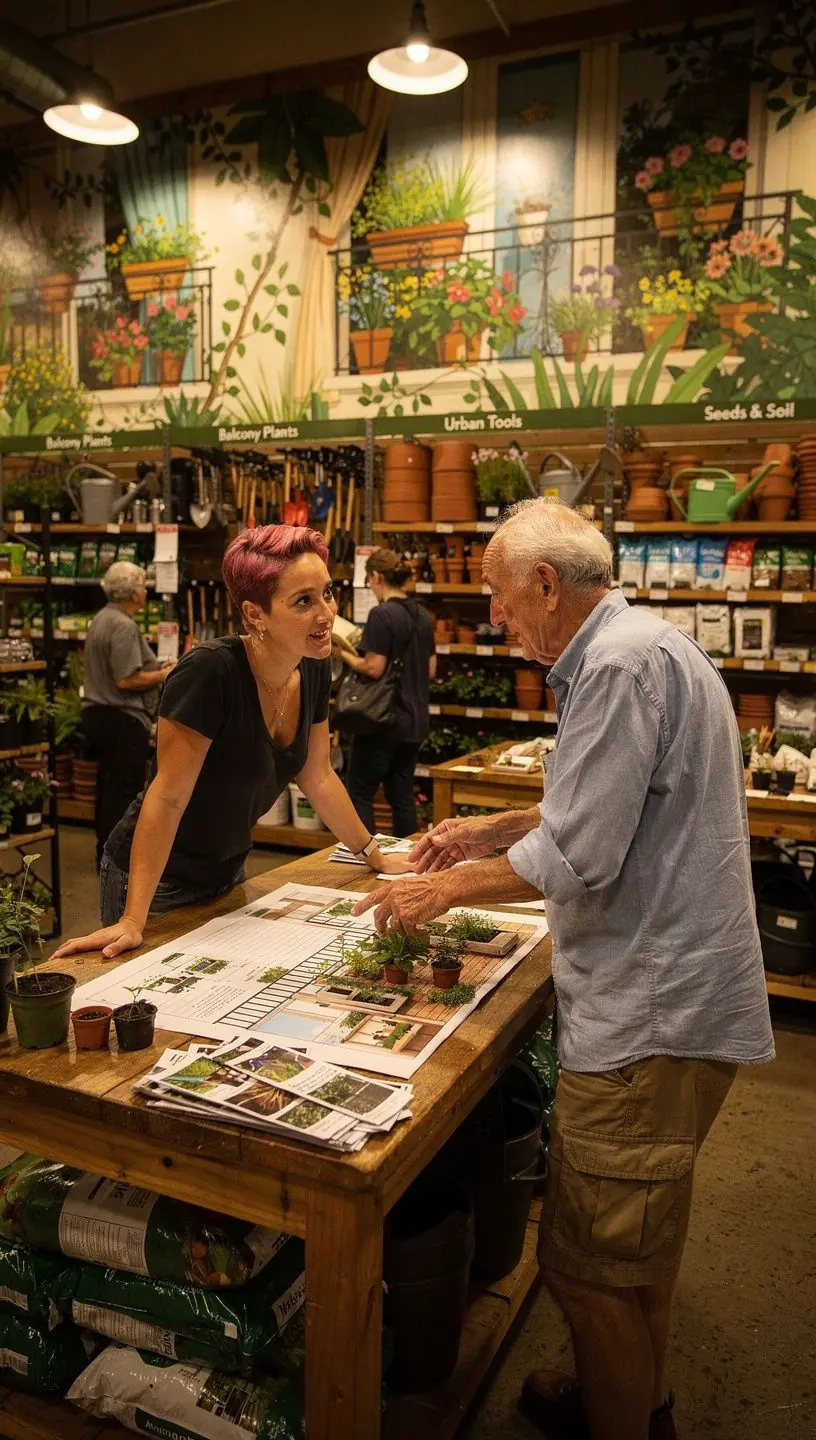
- Gather Supplies: Essential equipment typically includes a reservoir, growing medium, net pots, a water pump (if needed), and nutrient solution. Many local urban gardening centers offer consultation services to assist with setup.
- Monitor Conditions: Regularly check the pH and nutrient levels of your water. Industry experts suggest maintaining a pH level between 5.5 and 6.5 for optimal plant growth.
Maintaining Your Hydroponic Garden
Ongoing maintenance is crucial for the success of your hydroponic system. This typically involves:
- Regularly changing the nutrient solution every 2-3 weeks to ensure plants receive adequate nutrients.
- Monitoring for pests and diseases, which can occur even in soil-less systems.
- Adjusting light levels as needed, especially if you are using artificial lighting to supplement natural sunlight.
Acknowledging the Challenges
While hydroponic gardening can be rewarding, it's important to acknowledge some limitations:
- Hydroponic systems often require an initial investment in equipment and supplies, which may not be suitable for all budgets.
- The learning curve can be steep, especially for beginners. It may require dedication and patience to manage nutrient levels and system maintenance effectively.
- Results may vary depending on the type of plants grown, environmental conditions, and adherence to best practices.
Conclusion
Hydroponic systems offer an effective method for urban gardeners looking to maximize their balcony space. By understanding the different systems available and committing to proper maintenance, you can create a vibrant green space. Remember, results typically appear within a few weeks to months as plants adapt and grow in this innovative environment. For more personalized advice and equipment, consider visiting local urban gardening centers that specialize in hydroponic setups.
Explore Further