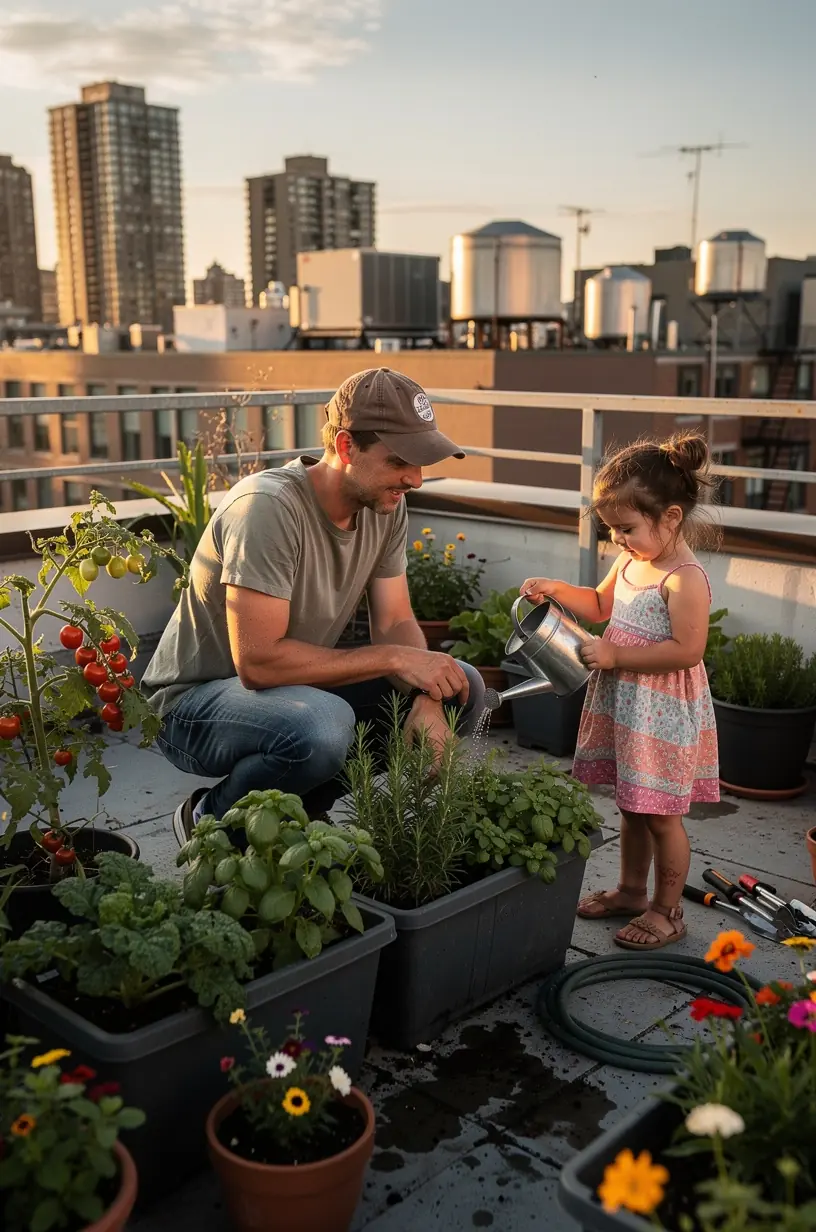
Setting Up a Vertical Garden: Step-by-Step Guide
Vertical gardening offers an innovative way to grow plants, especially in urban settings where space is limited. This guide will walk you through the essential steps for setting up a vertical garden, providing practical insights that can help you cultivate greenery in even the smallest of spaces.
Understanding the Basics of Vertical Gardening
Vertical gardens are designed to utilize vertical space, allowing you to grow plants upwards instead of outwards. This method can be particularly effective in urban environments, where many residents lack access to traditional gardening spaces. According to research, vertical gardens can increase the amount of greenery in urban areas, contributing to improved air quality and reduced heat absorption.

"Vertical gardening not only maximizes space but also enhances the aesthetic appeal of urban landscapes." - Urban Gardening Expert
Benefits of Vertical Gardens
- Space Efficiency: Vertical gardens allow for greater plant density, making them suitable for small balconies or patios.
- Improved Air Quality: Plants can help filter pollutants and increase oxygen levels in urban areas.
- Enhanced Aesthetics: A well-designed vertical garden can serve as a stunning focal point in your living space.
Step-by-Step Guide to Setting Up Your Vertical Garden
Setting up a vertical garden typically involves several key steps:
- Select the Right Location: Choose a wall or structure that receives adequate sunlight. Most plants typically require 6-8 hours of sunlight per day.
- Choose Your Plants: Opt for plants that thrive in vertical setups. Many users report success with herbs, succulents, and climbing plants, which often adapt well to vertical growth.
- Gather Your Materials: You will need a vertical planter system, soil, and appropriate tools. Many urban gardening centers provide consultations to help you select the right materials for your setup.
- Install the Planter System: Follow the manufacturer's instructions for installation. This process may vary depending on the type of system you choose, such as wall-mounted pockets or freestanding structures.
- Plant Your Chosen Greenery: Carefully transplant your plants into the vertical system, ensuring each has enough space to grow. This step often requires attention to depth and spacing, as overcrowding can inhibit plant growth.
- Water and Maintain: Regular maintenance is crucial, as vertical gardens may need more frequent watering than traditional gardens. Keep a consistent watering schedule, and monitor the health of your plants.
Acknowledging Limitations
While vertical gardening can be rewarding, it also requires a commitment of time and effort. Establishing a thriving vertical garden typically takes 4-6 weeks, depending on the plants' growth rate. Additionally, it's important to note that this method may not be ideal for every type of plant. Some plants may struggle with the vertical orientation, necessitating research into suitable species for your garden.
Conclusion
Setting up a vertical garden is an effective way to enhance your living space while contributing to a greener environment. By following these steps and maintaining realistic expectations, you can cultivate a thriving vertical garden that brings beauty and functionality to your urban space. Whether you're a novice gardener or an experienced green thumb, vertical gardening can provide an engaging and rewarding experience.
Explore Further