Understanding the Role of Light in Plant Growth
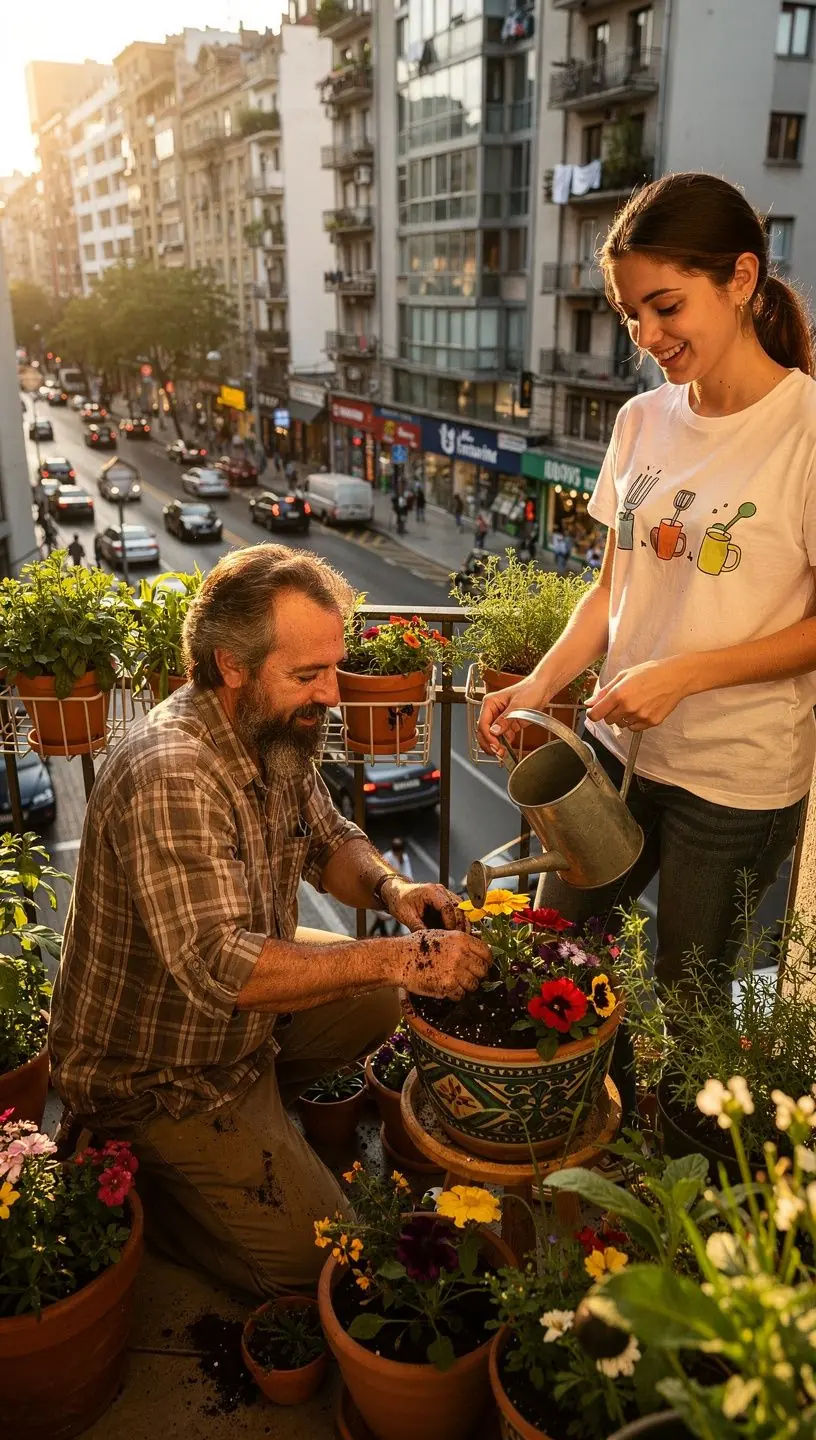
Light is a fundamental factor influencing plant growth, especially for urban gardeners who may have limited natural sunlight. In this article, we'll explore how light affects plant health and growth rates, and provide practical tips for optimizing light exposure in your balcony garden.
The Science Behind Light and Plant Growth
Plants rely on light for photosynthesis, the process by which they convert light energy into chemical energy. According to research published in the Journal of Experimental Botany, plants use light primarily in the blue and red spectrums to facilitate growth and flowering. In most cases, adequate light exposure can significantly enhance growth rates, leading to healthier plants.

"Plants typically require a minimum of 12 to 16 hours of light daily during their growing season to thrive."
Types of Light and Their Impact
Understanding the different types of light can help urban gardeners create optimal conditions for their plants:
- Natural Light: Direct sunlight is usually the most effective, as it provides a full spectrum of light. Many users report improved plant health when positioned near south-facing windows.
- Artificial Light: For those with limited access to sunlight, using grow lights can be a reliable alternative. Industry experts recommend LEDs for their energy efficiency and ability to provide specific light wavelengths.
- Light Duration: In addition to intensity, the duration of light exposure is crucial. Experts suggest maintaining a consistent light schedule for optimal growth.
Practical Tips for Maximizing Light in Your Balcony Garden
To make the most of light resources for your urban garden, consider the following steps:
- Assess Sunlight Exposure: Observe your balcony throughout the day to determine which areas receive the most sunlight. Position your plants in these locations for maximum exposure.
- Utilize Reflective Surfaces: Using reflective materials, such as white walls or aluminum foil, can help bounce light towards your plants, enhancing their growth conditions.
- Rotate Plants Regularly: Rotating your plants every few weeks ensures that all sides receive adequate light, promoting even growth.
Conclusion
Understanding the role of light in plant growth is essential for successful urban gardening. By implementing strategies to optimize light exposure, you can improve the health and productivity of your balcony garden. Remember, achieving vibrant plants typically requires consistent effort and observation, but the rewards can be well worth it.
Explore Further